
Lake Malawi: Where Natural Beauty Meets Unforgettable Hospitality
Standfirst: With its vast freshwater horizons, lakeside communities and opportunities for relaxation and adventure, Lake Malawi is one of the country’s defining tourism assets. Its future as a leading travel destination will depend on how effectively natural beauty is matched with quality hospitality, environmental protection and authentic visitor experiences.
By SAWATCHA Magazine Editorial Team
More than a beautiful shoreline
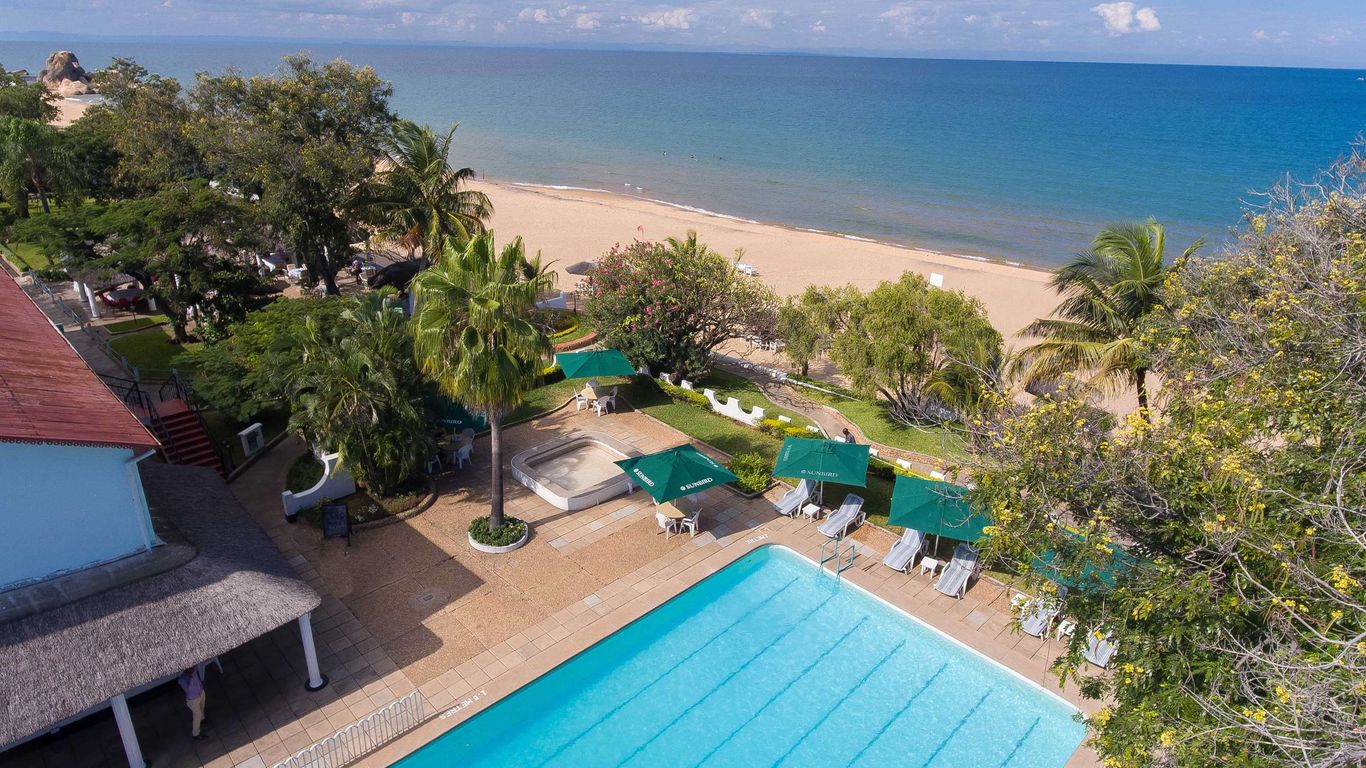
The first impression of Lake Malawi is often visual: a seemingly endless expanse of blue water, sandy beaches and distant horizons that change colour with the movement of the sun.
But the lake’s tourism significance extends well beyond its scenery. It is a place of recreation, livelihood, cultural exchange and biodiversity. For Malawi’s tourism industry, it represents both a celebrated attraction and an opportunity to build a stronger lakeside visitor economy.
Stretching along much of the country’s eastern boundary, Lake Malawi supports a variety of tourism experiences. Visitors can enjoy peaceful retreats, water-based activities, nature exploration and opportunities to engage with lakeshore communities.
The challenge is to ensure that the lake remains attractive, accessible and environmentally healthy while tourism creates meaningful benefits for the people who live around it.
A destination for different kinds of travellers
Lake Malawi does not offer just one type of holiday.
For visitors seeking rest and relaxation, lakeside accommodation can provide an escape from busy urban routines. For adventurous travellers, selected locations offer opportunities for kayaking, boating, snorkelling and other water-based activities, subject to local conditions and safety arrangements.
Cape Maclear, within the Lake Malawi National Park area, is particularly associated with lakeshore recreation and aquatic experiences. Other lakeside destinations provide different combinations of accommodation, local culture, fishing activity and access to surrounding attractions.
The lake’s clear waters and distinctive cichlid fish are part of its international natural heritage. In appropriate locations, guided snorkelling and diving experiences can help visitors appreciate this biodiversity while encouraging respect for fragile aquatic ecosystems.
Activities should always be undertaken with suitable equipment, qualified operators where required, attention to weather and water conditions, and respect for conservation rules.
Hospitality that encourages longer stays
The success of a lakeside destination is influenced by more than its views.
Visitors also remember the quality of the welcome, the cleanliness of facilities, the reliability of services, the quality of meals and the ease of arranging excursions. Accommodation providers that combine attractive surroundings with professional hospitality can help turn a short visit into a longer and more rewarding stay.
For tourism businesses, opportunities exist in a range of accommodation categories, from modest guesthouses to premium resorts, provided that developments respond to market demand, local conditions and responsible planning.
Food is another important part of the experience. Locally sourced ingredients and Malawian dishes can give visitors a stronger connection to the destination while creating opportunities for farmers, fishers, cooks and other suppliers.
Professional staff training, transparent pricing, online booking information and consistent service standards can strengthen visitor confidence.
Communities at the centre of the experience
Lake Malawi is home to communities whose livelihoods and traditions are closely connected to the water.
Fishing, boat building, local markets, crafts and food traditions all contribute to the character of lakeshore destinations. Tourism can help create additional income opportunities when local people are involved in planning and delivering visitor experiences.
Community-led excursions, cultural activities and locally owned businesses can provide travellers with deeper insights into lakeside life.
However, tourism development must recognise that the lake is also a working environment. Fishing communities need access to their livelihoods, and tourism operators should avoid creating unnecessary conflict over shared spaces and resources.
Consultation, fair commercial arrangements and respect for local customs are essential to building relationships that last.
Protecting the lake’s greatest asset
The lake’s natural environment is fundamental to its tourism value.
Poorly managed waste, untreated wastewater, damage to sensitive habitats and unsustainable use of natural resources can affect both the environment and the visitor experience.
Tourism businesses can help by improving waste disposal, reducing unnecessary single-use plastics, managing water use, protecting shoreline vegetation and working with local organisations on environmental initiatives.
Visitors also have responsibilities. Respecting local guidance, avoiding littering, following protected-area rules and choosing responsible operators can make a meaningful difference.
Environmental protection should be viewed not simply as an additional cost, but as an investment in the long-term appeal of the destination.
Making Lake Malawi a stronger tourism brand
To compete more effectively in regional and international markets, Lake Malawi needs consistent promotion, clear visitor information and well-connected travel experiences.
Tourism marketers can highlight different parts of the lakeshore rather than presenting the entire lake as a single, uniform destination. Accommodation providers and tour operators can collaborate on itineraries that connect lakeside stays with wildlife, cultural and highland experiences.
Accurate digital information, professional photography, reliable booking channels and clear descriptions of activities can help convert online interest into actual visits.
Importantly, promotion should reflect what visitors can genuinely expect. Credible marketing builds trust and supports positive recommendations.
The future of the lakeshore
Lake Malawi has the ingredients to remain one of Malawi’s most memorable tourism experiences: striking natural scenery, distinctive biodiversity, cultural richness and a wide range of potential activities.
Its long-term success, however, will depend on the balance between tourism growth, community wellbeing and environmental protection.
The opportunity is to build a lakeside tourism economy in which businesses thrive, communities participate meaningfully and visitors leave with memories worth sharing.
The lake’s beauty may attract travellers, but exceptional experiences and responsible stewardship will help bring them back.
SAWATCHA Magazine — Exploring Malawi’s Hidden Treasure.
Suggested website excerpt: Discover why Lake Malawi is more than a scenic escape, and how professional hospitality, community participation and environmental protection can strengthen its future as a leading tourism destination.
Suggested image caption: Lake Malawi combines freshwater beauty, lakeside hospitality and opportunities for nature-based travel, making it a defining part of Malawi’s tourism identity.
Leave a Reply