
Unlocking Malawi’s Tourism Investment Potential
Standfirst: Malawi’s tourism assets create opportunities across accommodation, transport, food, recreation, technology and community-based experiences. Realising that potential will require more than investor interest: it calls for commercially sound projects, skilled people, reliable infrastructure and a business environment that supports responsible, long-term growth.
By SAWATCHA Magazine Editorial Team
Tourism as an economic opportunity
Tourism is often introduced through its most visible features: attractive landscapes, wildlife, lakes, hotels and popular visitor attractions. Yet behind every successful destination lies a network of businesses, workers, suppliers and services that turn visitor interest into economic activity.
For Malawi, this broader tourism value chain presents opportunities for entrepreneurs, established companies and investors seeking to participate in a sector connected to hospitality, transport, agriculture, culture and recreation.
A visitor who books a hotel room may also pay a local guide, eat at a restaurant, purchase crafts, hire transport and visit a protected area. Each transaction can contribute to employment and business activity, particularly when local suppliers are integrated into tourism operations.
The central question is how Malawi can create conditions in which more of this value remains in local communities and supports sustainable enterprise development.
Where investment opportunities exist
Accommodation and hospitality
Hotels, guesthouses, lodges, serviced accommodation and carefully planned resorts serve different visitor needs. Opportunities may exist where market research identifies unmet demand, suitable locations and a realistic business case.
Investors need to consider seasonality, occupancy assumptions, operating costs, staffing requirements, energy and water provision, maintenance and access to target markets. A beautiful location alone does not guarantee a commercially successful property.
Nature-based and adventure tourism
Malawi’s lakes, mountains, forests and protected areas provide a foundation for guided excursions, birdwatching, hiking, boating and wildlife experiences.
Entrepreneurs can explore opportunities in professional guiding, equipment hire, specialised tours and visitor services. These businesses should be developed in accordance with safety requirements, land-use arrangements and conservation regulations.
Food, culture and creative industries
Restaurants, catering businesses, craft enterprises, cultural experiences and locally produced goods can add value to a visitor’s stay.
Partnerships between accommodation providers and local producers can help strengthen supply chains. Such arrangements can also give visitors a more distinctive sense of place through local food, storytelling, design and cultural heritage.
Transport and travel services
Tourism depends on the ability to move conveniently between destinations. Opportunities may include transfers, vehicle hire, guided transport, itinerary planning and specialised travel services.
Businesses must assess demand, licensing, insurance, vehicle maintenance, safety and the cost of operating across different routes.
Digital tourism services
Digital platforms can help accommodation providers, tour operators and local guides reach customers beyond their immediate markets.
Online booking systems, multilingual destination information, digital payment options, itinerary tools and professional content production can improve visibility and make travel planning easier.
These services are especially valuable when they solve practical problems for travellers and tourism businesses rather than simply reproducing information already available elsewhere.
What serious investors need to assess
A credible tourism investment begins with evidence, not assumptions.
Market research should identify likely customers, competing businesses, price expectations, travel patterns and the factors that influence purchasing decisions. Investors should also examine seasonality and how a project will perform when visitor numbers are lower.
Location matters, but so do accessibility, utilities, staffing, security, communications and the availability of maintenance services.
Financial modelling should include realistic capital expenditure, working capital, operating expenses, financing costs and alternative scenarios. Projects dependent on optimistic occupancy or revenue assumptions may struggle when conditions change.
Investors must also undertake appropriate due diligence on land ownership and tenure, permits, environmental requirements, construction approvals, tax obligations and other applicable regulations. Professional legal, financial and technical advice can help identify risks before substantial capital is committed.
Incentives or financing arrangements should be verified with the relevant authorities and institutions rather than assumed to be available.
Infrastructure and the investment climate
Tourism enterprises do not operate in isolation. Their performance can depend on roads, airports, electricity, water, sanitation, telecommunications and the availability of skilled labour.
Where infrastructure is unreliable, businesses may need to make additional investments in backup power, water storage, connectivity or transport arrangements. These costs can materially affect the viability of a project.
Better coordination between public institutions, local authorities, destination organisations and private businesses can help identify bottlenecks and prioritise improvements.
Clear regulatory processes, predictable decision-making and access to accurate investment information also matter. Investors need to understand the procedures, obligations and risks associated with a proposed project.
Public-private partnerships may offer opportunities to address selected infrastructure or destination-management needs, but each arrangement requires careful assessment of costs, responsibilities and public benefit.
Making local participation part of the business model
Tourism investment is more likely to create broad economic value when local people and businesses are part of the supply chain.
Hotels can explore purchasing food from local producers where quality, consistency and pricing meet operational requirements. Tour operators can collaborate with trained local guides. Businesses can commission crafts, employ local professionals and support skills development.
These arrangements should be commercially practical and built on fair terms.
Training is especially important. Front-office management, food safety, housekeeping, digital marketing, financial administration, guiding and maintenance are among the skills that can support stronger tourism services.
Businesses that develop reliable local supplier relationships may improve resilience while contributing to community economic activity.
Sustainability as a commercial consideration
Responsible tourism is not simply a promotional message. Environmental management, community relationships and cultural respect can affect a business’s reputation, operating costs and long-term viability.
New projects should consider water use, waste management, energy efficiency, biodiversity, climate-related risks and potential impacts on surrounding communities.
Investors should assess these issues early in project planning, rather than treating them as problems to solve after construction.
Well-designed sustainability measures can protect destination quality and help businesses respond to the expectations of travellers, partners and financing institutions.
Turning potential into performance
Malawi’s tourism investment opportunity is not defined by a single large resort or landmark project. It also exists in smaller enterprises, specialist services, digital innovation, stronger supply chains and better connections between established attractions.
Progress will depend on sound business planning, professional management, appropriate infrastructure, a supportive operating environment and investment that respects the assets on which tourism depends.
For entrepreneurs, the starting point is a clearly identified customer need and a credible business model. For established operators, it may be an opportunity to improve productivity, service quality or market access. For public institutions, it is the challenge of enabling responsible development while safeguarding public interests.
The next stage of Malawi’s tourism growth will be shaped not only by what the country has to offer, but by how effectively it converts that potential into viable businesses, quality employment and lasting local value.
SAWATCHA Magazine — Exploring Malawi’s Hidden Treasure.
Suggested website excerpt: From accommodation and adventure tourism to local supply chains and digital services, explore the investment opportunities that could help Malawi build a more competitive and inclusive tourism economy.
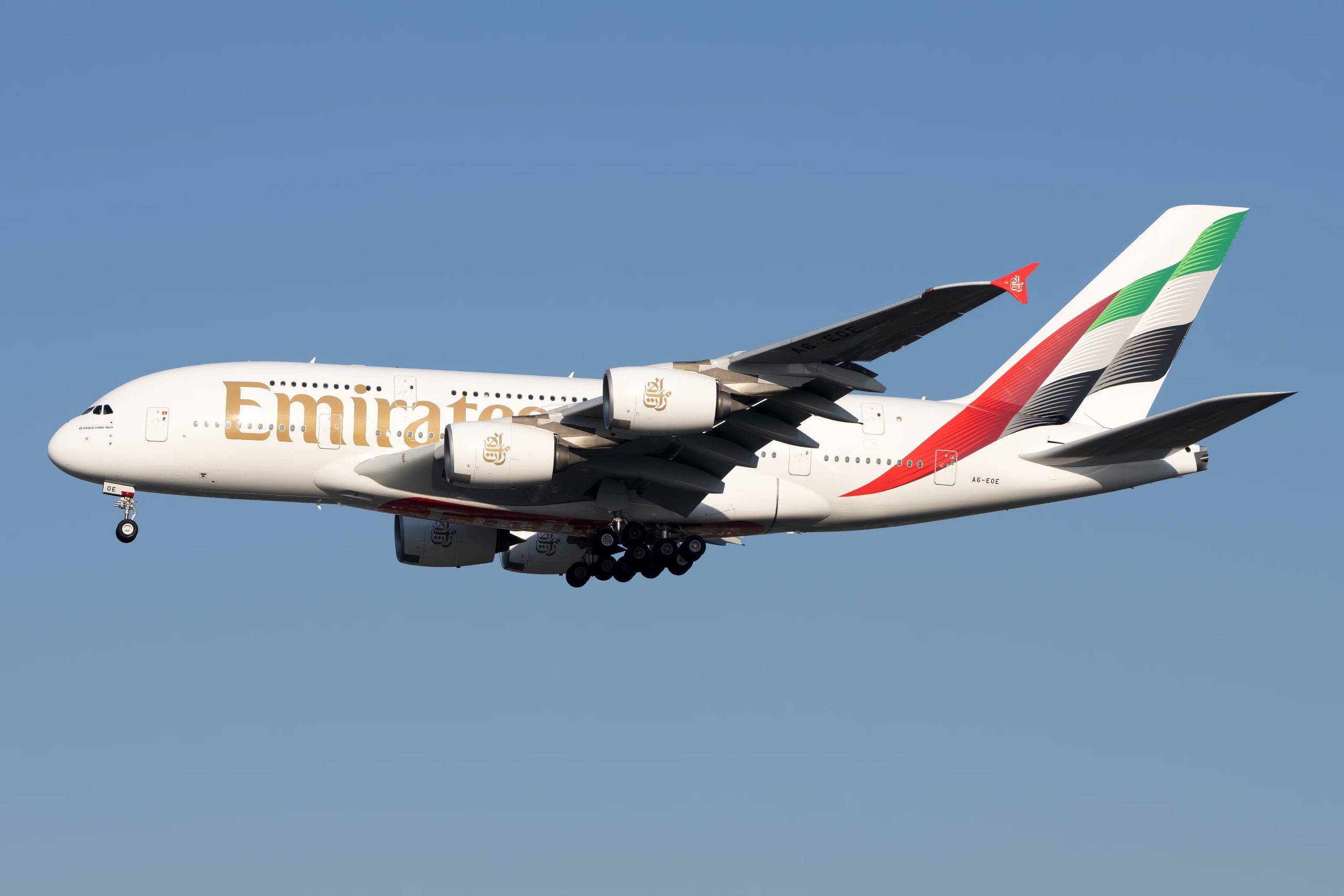
Suggested image caption: Successful tourism investment combines market demand, professional operations, community participation and responsible management of natural and cultural assets.
Leave a Reply