
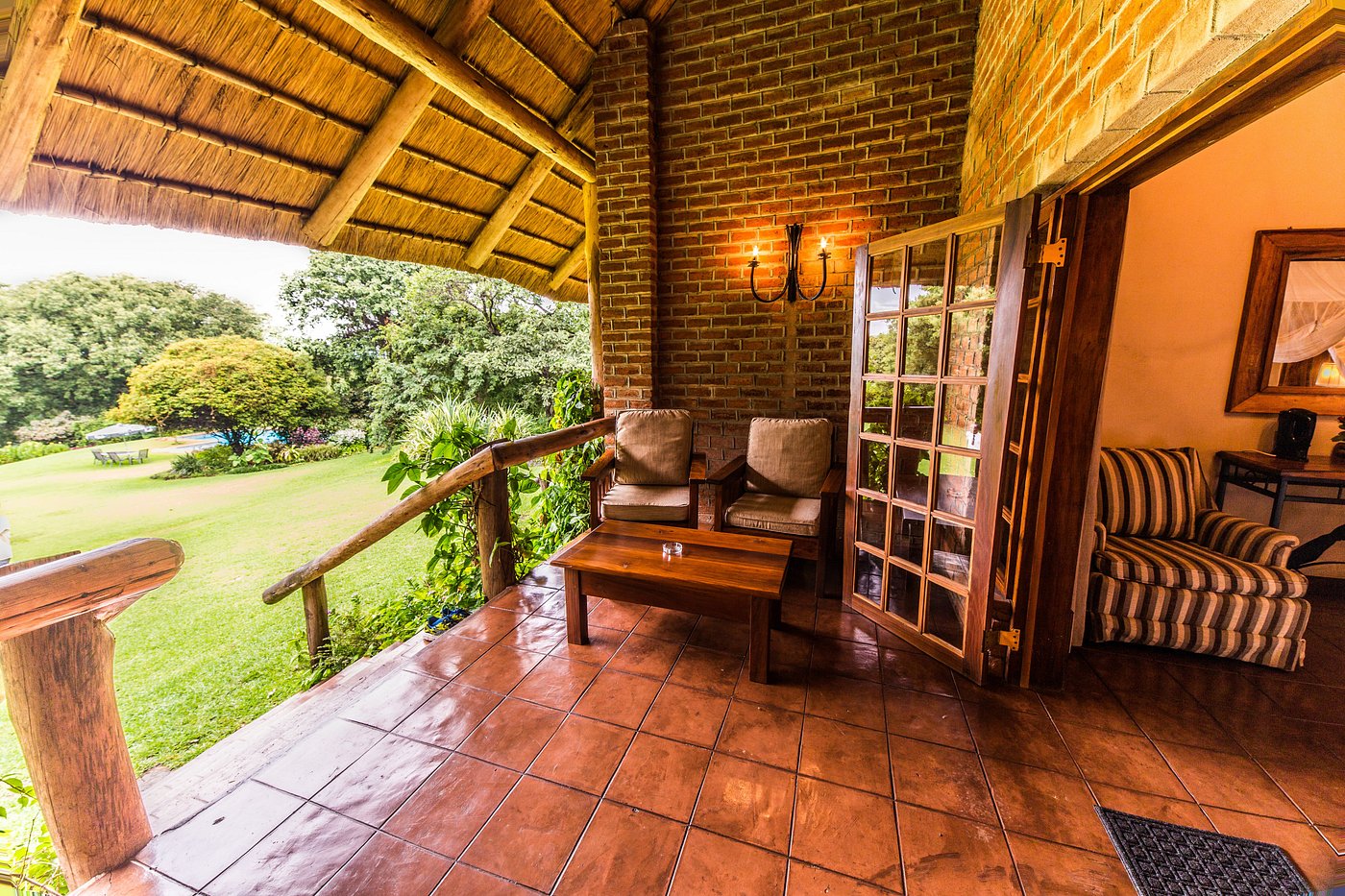
Discovering Malawi’s Hidden Tourism Treasures
Standfirst: From the shimmering waters of Lake Malawi to dramatic mountain landscapes, wildlife-rich national parks and vibrant cultural traditions, Malawi offers a remarkable range of experiences. The challenge—and opportunity—is to turn these natural and cultural assets into memorable journeys that inspire visitors to explore more of the country.
By SAWATCHA Magazine Editorial Team
A destination waiting to be discovered
There are destinations that impress visitors with their scale, and there are destinations that win their hearts through the experiences they offer. Malawi has the potential to do both.
Known for its welcoming communities, spectacular scenery and remarkable diversity of landscapes, Malawi offers travellers an opportunity to experience Africa through a combination of nature, culture, adventure and human connection. From the lakeshore to the highlands, from protected wilderness areas to lively local markets, the country presents a tourism story that extends far beyond any single attraction.
For visitors seeking a quieter alternative to crowded tourist destinations, Malawi offers opportunities to slow down, connect with local communities and discover places where the journey can be just as rewarding as the destination.
Yet its greatest tourism potential may lie in how these experiences are brought together.
Lake Malawi: The country’s natural showpiece
For many travellers, Lake Malawi is an ideal introduction to the country’s tourism appeal. Its expansive freshwater landscape, sandy beaches, fishing communities and distinctive aquatic life create opportunities for relaxation, exploration and cultural discovery.
Destinations around Cape Maclear, Mangochi and other lakeshore communities offer different ways to experience the lake. Visitors can enjoy boat excursions, swimming where conditions are safe, snorkelling, birdwatching and time spent exploring lakeside villages.
The lake is also central to the livelihoods and traditions of communities that depend on fishing and related activities. For tourism operators, this creates an opportunity to develop experiences that connect visitors with local culture while ensuring that tourism complements rather than undermines community livelihoods.
Responsible development, waste management and the protection of freshwater ecosystems are essential to maintaining the lake’s long-term appeal.
Mountains, forests and the call of adventure
Malawi’s tourism landscape extends well beyond its beaches.
Mount Mulanje offers striking mountain scenery and opportunities for hiking and nature-based tourism. The Nyika Plateau is known for its expansive grasslands, cool highland environment and distinctive wildlife. Zomba Plateau offers forested landscapes, viewpoints and outdoor recreation within reach of the country’s southern urban centres.
These destinations appeal to travellers who want more active experiences, from guided walks and photography to birdwatching and nature exploration.
They also present opportunities for local guides, accommodation providers, transport operators and community enterprises.
Developing these experiences requires appropriate visitor facilities, trained guides, clear safety procedures and environmental management. The goal should not simply be to attract more visitors, but to create high-quality experiences that respect the landscapes on which tourism depends.
Wildlife and cultural heritage
Wildlife tourism is another important part of Malawi’s appeal. Protected areas such as Liwonde National Park, Majete Wildlife Reserve and Nyika National Park provide opportunities to experience wildlife and conservation landscapes in different settings.
Safari experiences can introduce visitors to elephants, antelope, birdlife and other species, depending on the location and season. Professional guiding and responsible wildlife viewing help transform these encounters into meaningful experiences while respecting animal welfare and conservation priorities.
Culture adds another dimension to the journey.
Traditional music, dance, crafts, cuisine, storytelling and local festivals can help visitors understand the country’s history and contemporary identity. When communities lead or meaningfully participate in tourism experiences, cultural tourism can support livelihoods while encouraging the preservation of local traditions.
These experiences should be presented respectfully, with appropriate consent, fair compensation and recognition of the communities that sustain them.
Turning attractions into complete travel experiences
A destination may possess extraordinary attractions but still struggle to convert visitor interest into longer stays and greater local economic benefits.
Travellers need reliable information, accessible transport, suitable accommodation, clear pricing, safety guidance and convenient ways to book experiences. They also need reasons to explore beyond the most familiar locations.
One opportunity for Malawi is to strengthen multi-destination itineraries. A visitor might combine a lakeside retreat with a guided wildlife experience, a mountain excursion or a cultural visit. Such combinations can encourage longer stays and distribute tourism spending across different regions.
Digital platforms can support this process by helping travellers discover lesser-known destinations, compare services and connect with local operators.
Tourism businesses, destination marketers and communities all have a role to play in making these journeys easier to plan and more rewarding to experience.
A shared responsibility
Malawi’s tourism future depends on more than its natural beauty. It also depends on the quality of its services, the confidence visitors place in its tourism businesses, the accessibility of its attractions and the benefits tourism delivers to local communities.
Investment in infrastructure, skills development, conservation and coordinated destination marketing can help strengthen the sector. Equally important is the participation of local people whose knowledge, creativity and hospitality give destinations their distinctive character.
For travellers, discovering Malawi means looking beyond familiar landmarks and remaining open to experiences that are personal, authentic and memorable.
For tourism businesses, it means presenting these experiences professionally and responsibly.
For the country, it means building a tourism industry that values both economic opportunity and the protection of its heritage.
Malawi is more than a place to visit. It is a country of experiences waiting to be discovered.
SAWATCHA Magazine — Exploring Malawi’s Hidden Treasure.
Suggested website excerpt: Explore Malawi’s remarkable mix of lakeshore escapes, mountain adventures, wildlife experiences and cultural encounters—and discover how the country can turn its tourism potential into lasting value.
Suggested image caption: From the shores of Lake Malawi to the country’s mountain and wildlife landscapes, Malawi offers diverse experiences for travellers seeking nature, culture and adventure.
Leave a Reply